
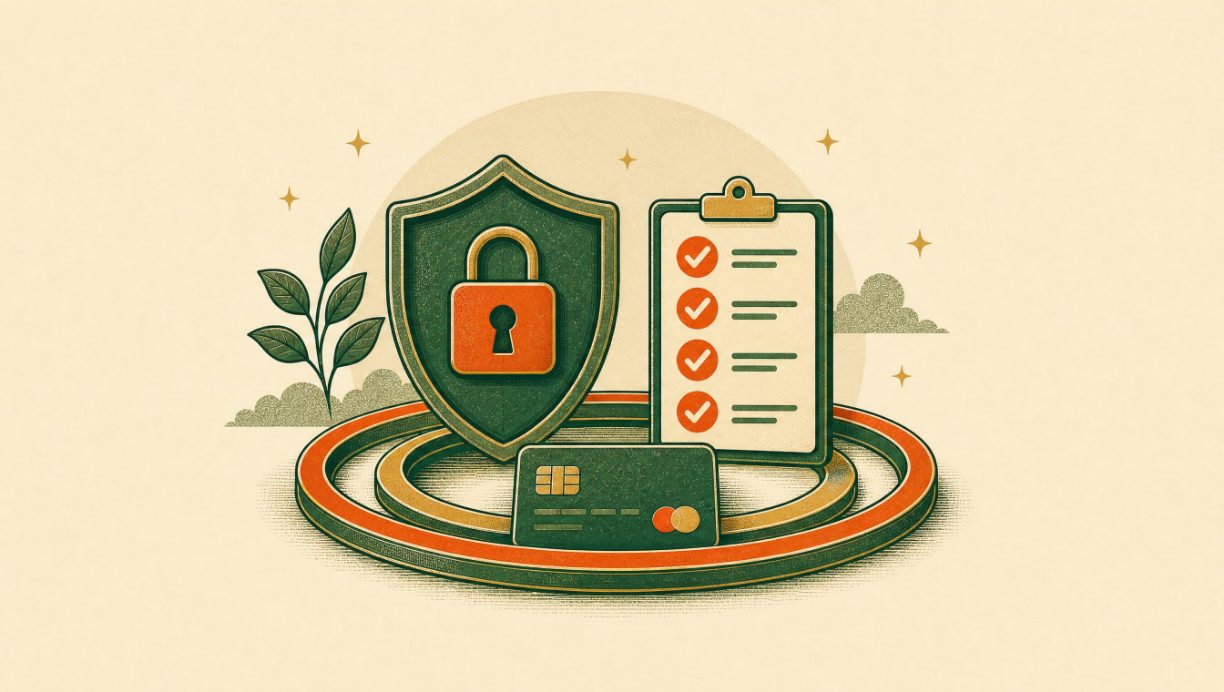
What PCI DSS is — and why it matters
The Payment Card Industry Data Security Standard (PCI DSS) is the card networks’ ruleset for protecting cardholder data. Every business that touches card data must comply. For high-risk merchants the stakes are higher: a PCI failure can mean fines, higher fees, liability for a breach — and, via a MATCH reason code, even a TMF listing.
Know your SAQ type
How you validate compliance depends on how you handle card data, captured by your Self-Assessment Questionnaire (SAQ) type. The single most important decision is keeping card data out of your own systems — which shrinks both your risk and your paperwork.
The validation that applies to you
The practical checklist
- Use a PCI-compliant gateway with hosted fields or redirect so card data never hits your servers.
- Tokenize stored cards for recurring billing — store a token, never the PAN.
- Never store CVV, and never log full card numbers.
- Keep TLS current and enforce HTTPS everywhere.
- Complete your annual SAQ and any required quarterly scans.
- Restrict and log access to any system in scope.
Shrink the scope, shrink the cost
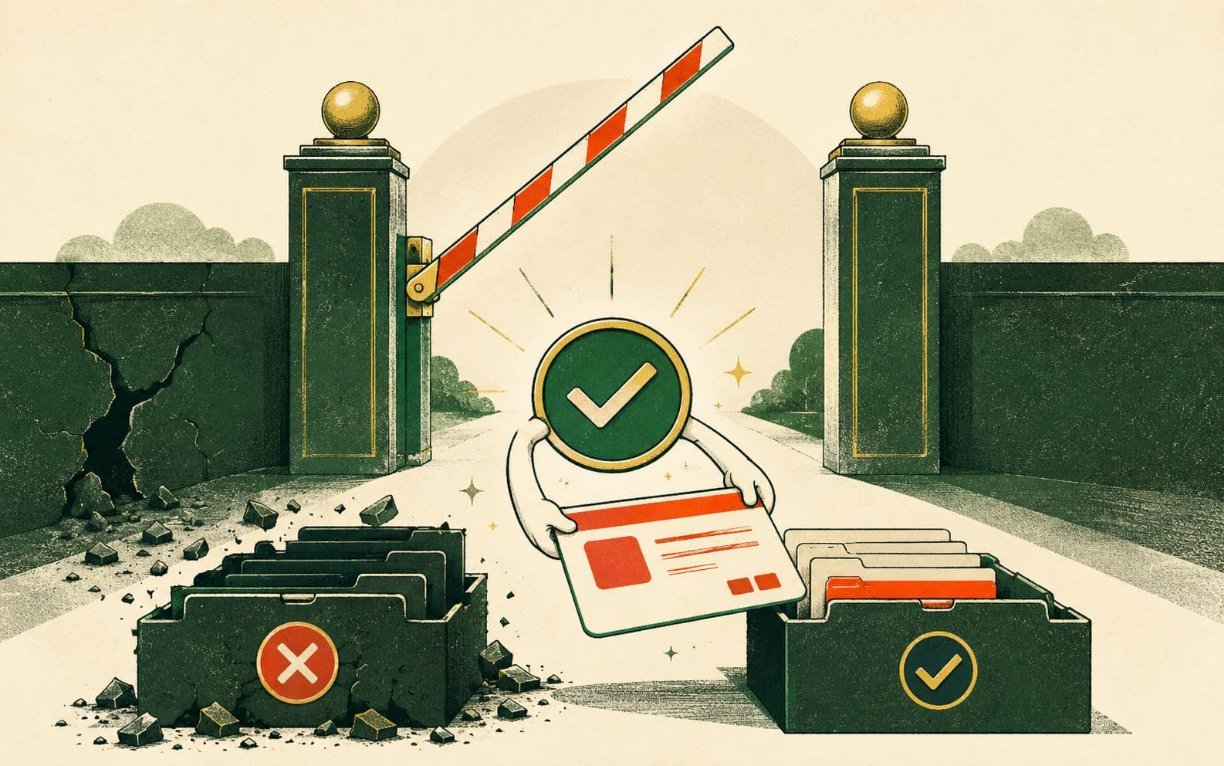
Most of PCI’s pain comes from touching card data. Move capture to hosted fields and tokenize stored cards, and you can often drop to SAQ A — dramatically less work and risk.
Avoiding non-compliance fines
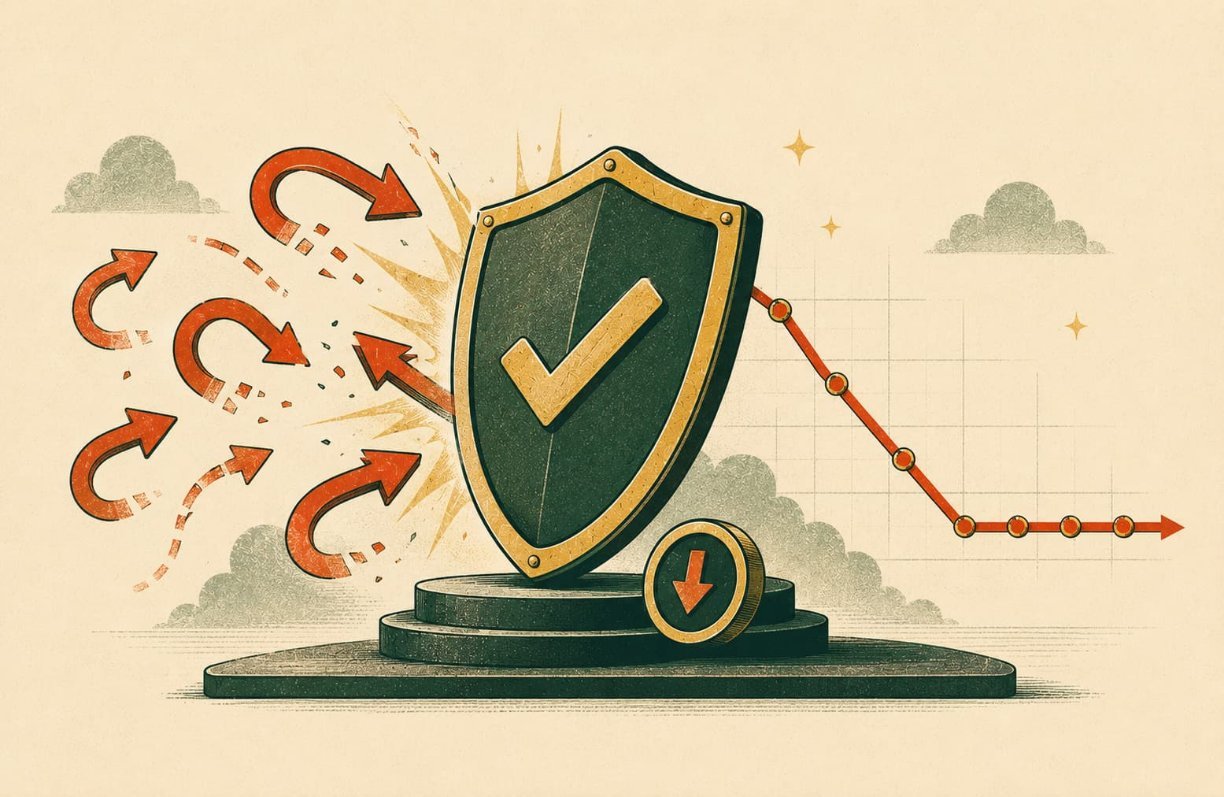
Non-compliance fees are usually billed monthly and quietly inflate your effective rate, and a breach while non-compliant exposes you to far larger liability. Validate on time, keep your SAQ current, and treat tokenization as the default — it’s cheaper than the fines.
PCI failure can mean MATCH
Serious or repeated PCI violations map to MATCH reason codes (10 and 12) — meaning a compliance lapse can become a TMF listing, not just a fine.
How MIDs helps
MIDs provides a PCI-compliant gateway with hosted fields and tokenization that keeps card data out of your environment — minimizing your SAQ scope — across a 30+ acquirer network, with guidance on the validation path that fits your setup.
Key takeaways
- Everyone touching card data must comply with PCI DSS — and high-risk merchants face higher stakes.
- Your SAQ type depends on how you handle card data; keeping it off your systems shrinks scope to SAQ A.
- Hosted fields plus tokenization are the highest-leverage moves for compliance and cost.
- PCI failures can mean monthly fines, breach liability — and even a TMF/MATCH listing.
![High-Risk Merchant Account: Complete Guide [2026]](https://mids.com/storage/media/blog/photo-img2.jpg)