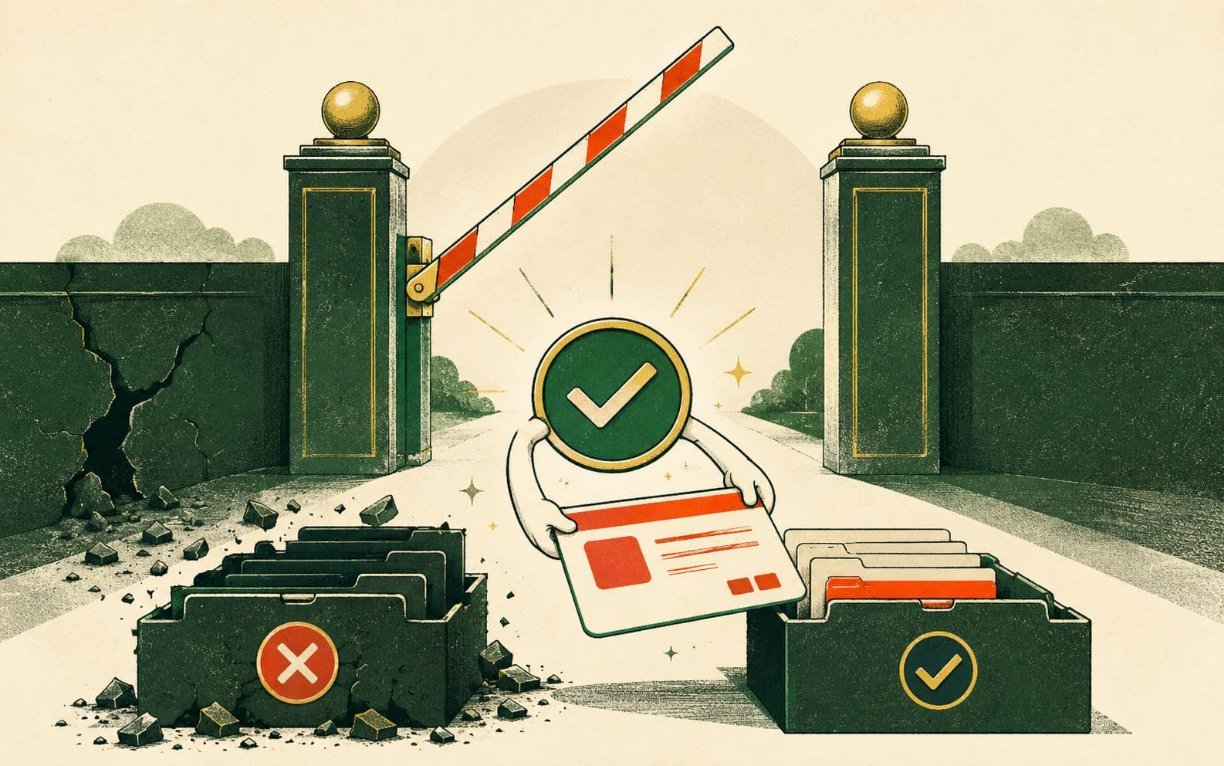
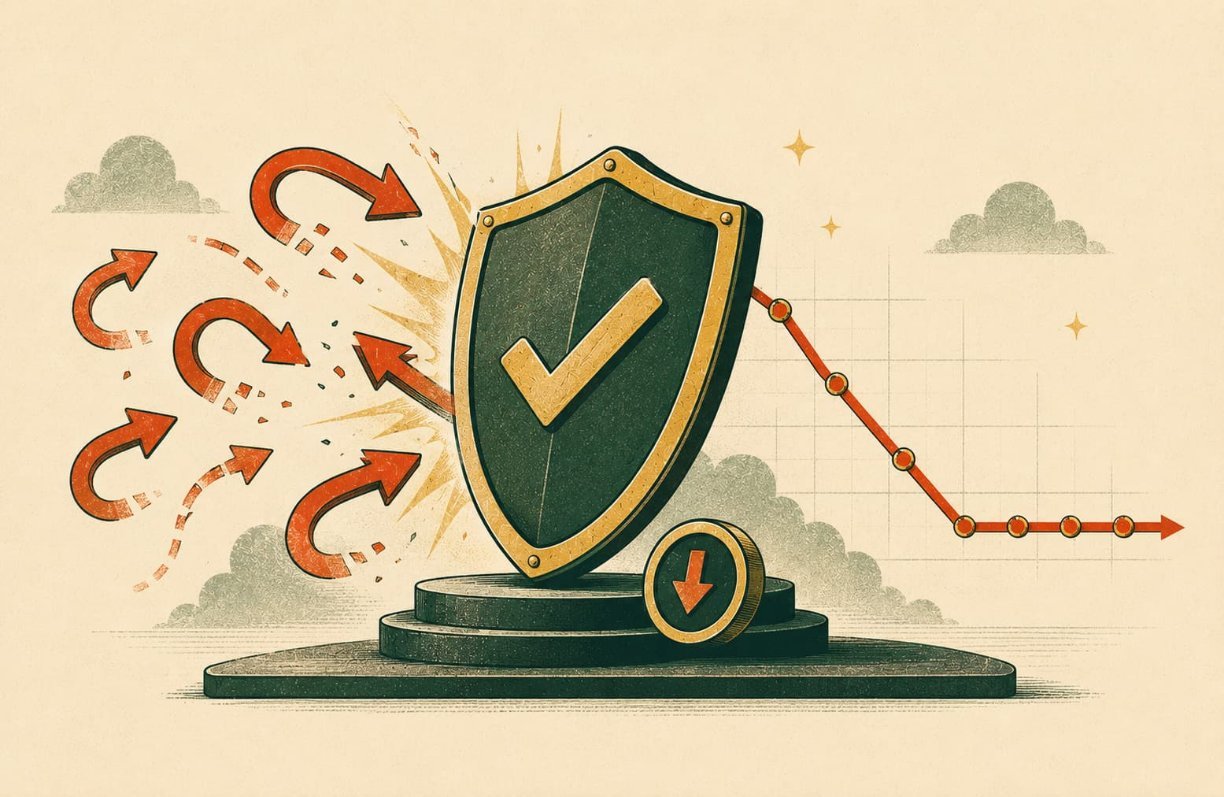
Why chargebacks matter (especially for high-risk merchants)
For high-risk merchants, chargebacks aren't just a cost of doing business — they're an existential threat. Here's why:
- Direct costs: $15–100 per chargeback once you add fees, lost merchandise and processing time.
- Ratio thresholds: exceed 1% and you enter network monitoring programs; exceed 1.5% and you risk termination.
- TMF listing: excessive chargebacks (MATCH reason Code 04) can put you on the blacklist for five-plus years.
- Higher fees: processors raise your rate by 1–3% when your chargeback ratio climbs.
Industry reality
A gaming merchant at seven-figure monthly volume with a 2% chargeback rate burns six figures a year in chargeback costs alone. Pulling that down to 0.5% recovers most of it.
The 15 proven chargeback-reduction strategies
1. Use crystal-clear billing descriptors
Impact: cuts "friendly fraud" chargebacks by 30–50%. Your billing descriptor is what shows on the cardholder's statement. If they don't recognize it, they dispute it.
- ACME GAMING · acmegaming.com
- NUTRALIFE SUPPS · support line
- DATING SITE · Premium Membership
- PMT*XYZ123 — a meaningless code
- OFFSHORE PROCESSING LLC — alarming
- SUBSCRIPTION — which one?
Action: include your brand name, website and a contact in the descriptor. Look at your own statement — would you recognize the charge?
2. Implement 3D Secure 2.0 (3DS2)
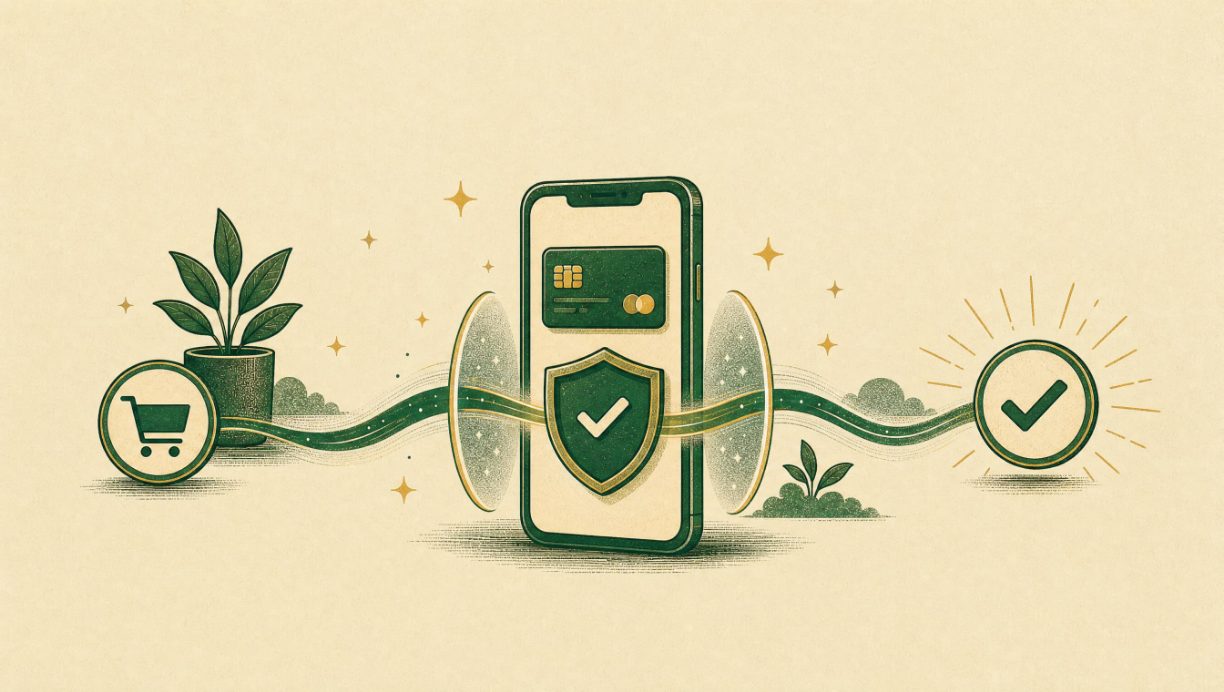
Impact: cuts fraud chargebacks 40–60% and shifts liability. 3DS2 adds an authentication layer (SMS code, biometric, app approval). When authentication passes, chargeback liability moves from you to the issuer, stolen cards fail at the gate, and issuers approve authenticated transactions more often.
Action: enable 3DS2 (not legacy 3DS1) with dynamic authentication — apply friction only to risky transactions so conversion holds.
3. Respond to retrieval requests within 24 hours
Impact: prevents 30–40% of chargebacks. A retrieval request (RFI) is the issuer asking for transaction details, and it often precedes a chargeback. Send the receipt, delivery confirmation, support history and the agreed terms — fast.
Action: set up alerts for retrieval requests and assign someone to respond same-day.
4. Run a proactive refund policy — and use it
Impact: every refund prevents a $50+ chargeback. Chargebacks cost $15–100 each; a refund costs nothing beyond the sale. Always offer the refund before the customer disputes.
Pro strategy: prevention refunds
Watch chargeback-alert feeds. When alerted to a potential dispute, refund immediately — you lose the sale but save the fee and protect your ratio.
5. Turn on chargeback alerts
Impact: prevents 20–30% of chargebacks before they're filed. Alert networks notify you when a cardholder contacts their bank to dispute, giving you a 24–72 hour window to refund and stop the filing. At well under a dollar per alert against a $15–100 chargeback, the return is enormous.
Action: enable both major alert networks through your processor and auto-refund alerts below your average ticket.
6. Velocity checking and fraud screening
Impact: blocks 60–80% of fraudulent transactions. Build rules for the patterns: velocity limits (too many attempts from one IP), card-testing detection (clusters of tiny charges), extra verification from fraud-hotspot geographies, BIN-vs-shipping-country checks and device fingerprinting.
7. AVS and CVV matching
Impact: reduces fraud 20–30%. Address Verification matches the billing address to issuer records; CVV proves the card is in hand.
Recommended decline rules
8. Transparent subscription management
Impact: critical for recurring-billing businesses. Subscription disputes usually come from forgotten signups or unclear terms. Use plain trial terms ("$1 for 7 days, then $49.99/month"), send a reminder before each rebill, make cancellation one click, confirm cancellations by email, and offer a short grace period.
9. Delivery confirmation and tracking
Impact: wins 70–80% of "not received" disputes. For physical goods, always use tracked shipping, require signature above $500, store tracking against the transaction ID and send it to the customer. For digital goods, send a timestamped receipt, log access/download events and save acceptance of your terms.
10. Customer-service excellence
Impact: prevents 40–60% of "service issue" chargebacks. Most disputes happen because the customer couldn't reach you. Offer multiple contact methods, respond fast, surface your contact info everywhere, and empower support to issue refunds without manager approval.
Real example
A nutra merchant dropped chargebacks from 2.1% to 0.6% just by adding 24/7 live chat — customers complained to support instead of their bank.
11. Speed up product/service delivery
Impact: reduces "non-delivery" chargebacks. The longer the gap between payment and delivery, the higher the dispute risk: deliver digital goods instantly, ship physical goods within 24–48 hours, and send regular updates for future-dated services.
12. Write accurate product descriptions
Impact: prevents "not as described" chargebacks. Use real product photos, precise specifications, honest disclaimers ("results not typical", "in-game currency only") and genuine reviews. Exaggerated marketing is a dispute magnet.
13. Represent chargebacks intelligently
Impact: win back 20–40% of disputes. Not every chargeback is unwinnable — fight the ones you can prove.
- Non-matching account number — prove the transaction was legitimate.
- Card-not-present fraud — with 3DS authentication or a strong AVS match.
- Services not provided — with delivery proof.
- "Cardholder doesn't recognize" — under 20% win rate.
- "Merchandise not received" — under 30% without clear delivery proof.
Action: build a representment SOP — for each reason code, decide fight-or-accept, the evidence required and a response template.
14. Monitor and cap transaction size
Impact: reduces high-ticket fraud. Chargeback rates climb sharply with ticket size — small tickets sit around 0.3–0.6%, while four-figure tickets can run 3–8%.
- Cap first purchases for new customers.
- Require phone verification above $500.
- Split very high tickets into installments.
15. Behavioral analytics and machine learning
Impact: advanced detection for high-volume merchants. At seven-figure monthly volume, ML-based fraud tooling spots patterns humans miss, adapts as it sees more data, and produces fewer false positives than static rules. Typical payback is two to four months.
Your chargeback-reduction roadmap
Don't try to deploy all 15 at once. Sequence them:
Implementation priority
How MIDs helps reduce your chargebacks
Chargeback management is built into the MIDs orchestration platform:
- Built-in fraud tools — velocity checking, BIN validation, device fingerprinting.
- Chargeback alerts — alert-network integration with auto-refund options.
- 3D Secure 2.0 — dynamic authentication that protects conversion.
- Real-time monitoring — a live dashboard of ratio, trends and reason codes.
- Smart routing — steer transactions away from acquirers with high dispute rates for your category.
Key takeaways
- Chargebacks above 1% trigger monitoring; above 1.5% risk termination and TMF.
- The fastest wins are clear descriptors, chargeback alerts and visible contact info.
- 3DS2 with dynamic authentication shifts liability without killing conversion.
- Prevention (refunds, alerts, service) beats representment — but fight the disputes you can prove.
- Sequence the work; don't deploy all 15 controls at once.