
Two kinds of churn
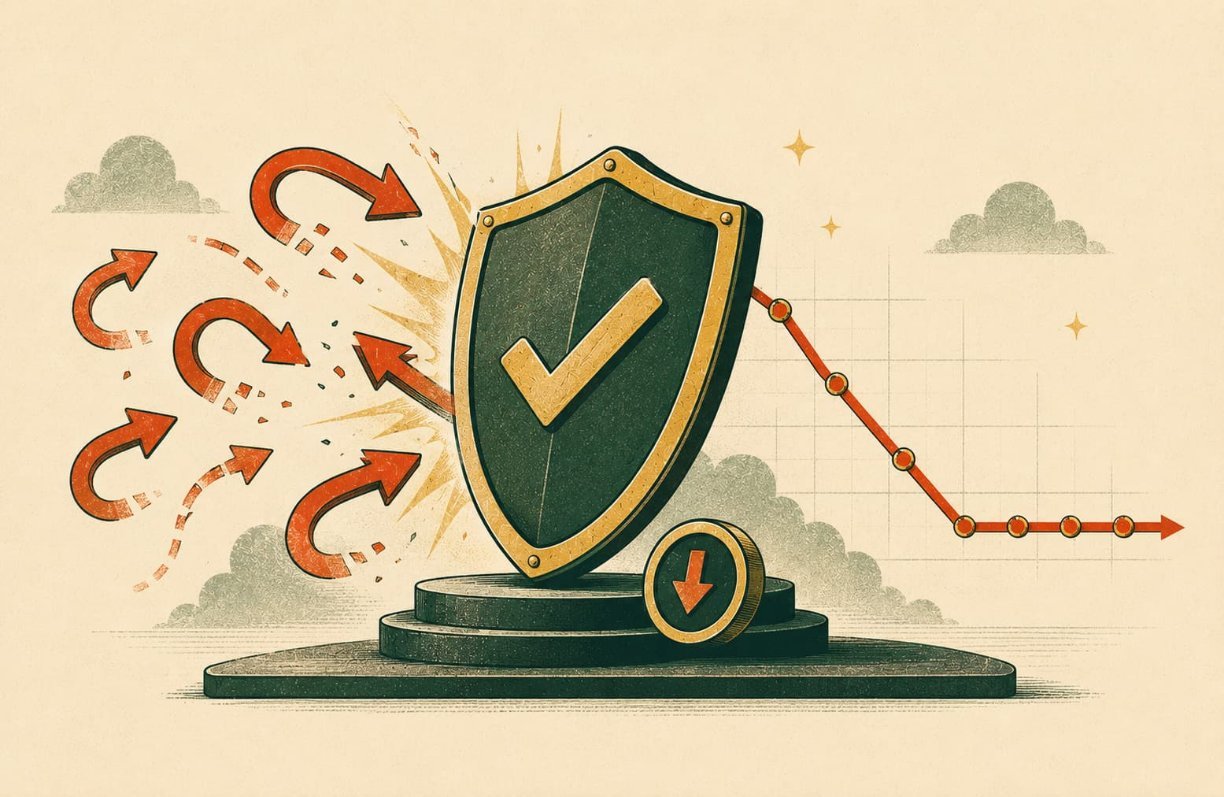
Subscription businesses obsess over voluntary churn — customers who choose to cancel. But a large share of lost revenue is involuntary churn: renewals that simply fail because a card expired, was reissued, hit a limit, or was soft-declined. These customers wanted to stay; the payment just didn’t go through. Recovering them is the highest-ROI work in recurring billing.
The recovery toolkit
What recovers failed renewals
Preventing disputes while you retry
Aggressive retrying is how subscription merchants get chargebacks — and chargebacks are how they get terminated. Keep recovery clean:
- State rebill terms plainly and send a reminder before each charge.
- Make cancellation one click and confirm it instantly.
- Use a recognizable descriptor with a support contact.
- Cap retry attempts and stop on hard declines.
Retries are not a license to hammer
Re-attempting a declined card too many times, too fast, manufactures disputes and breaches network rules. Smart, spaced retries — not brute force — are what recover revenue safely.
How MIDs helps subscription merchants
MIDs builds account-updater, smart retries, dunning and cascading recovery into recurring billing across 30+ acquirers — recovering a meaningful share of failed renewals while keeping disputes under threshold.
Key takeaways
- Involuntary churn — failed renewals, not cancellations — is a major, recoverable revenue leak.
- Account updater, smart retries, dunning and cascading are the core recovery tools.
- Aggressive retrying manufactures chargebacks; spaced, capped retries are the safe path.
- Transparent terms and one-click cancellation keep recovery from becoming disputes.