![What is Payment Orchestration? [Complete Guide]](https://mids.com/storage/media/blog/photo-5.jpg)
What payment orchestration is
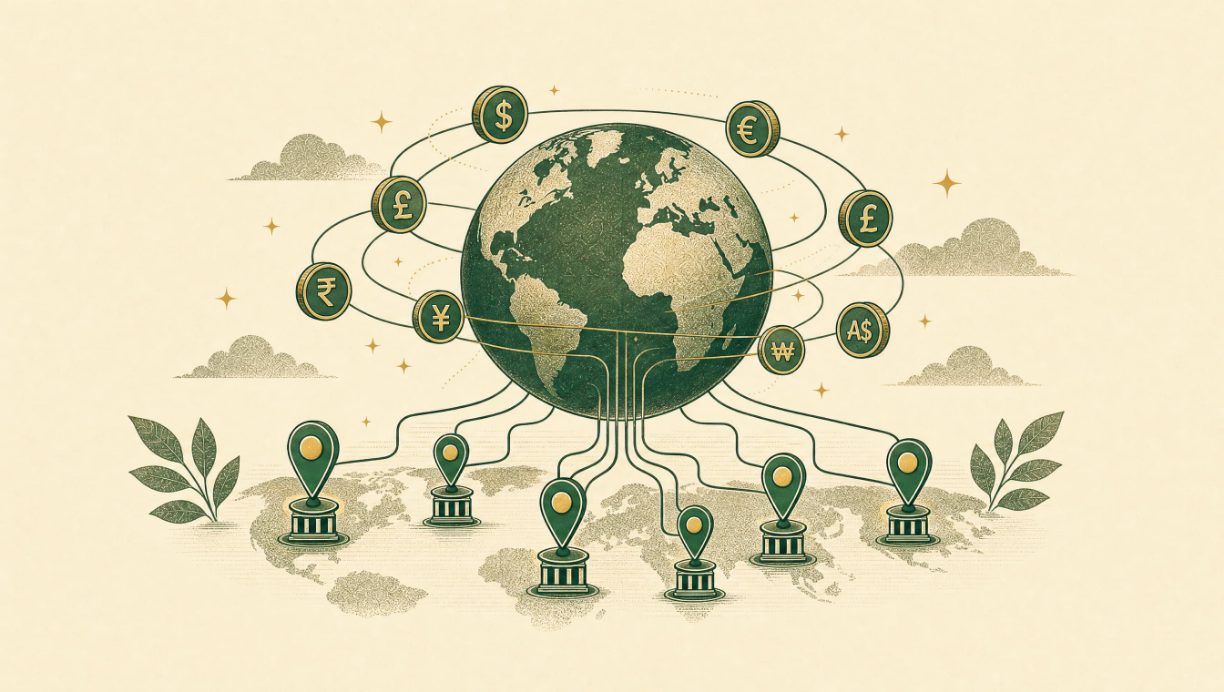
Payment orchestration is a layer that sits between your checkout and many acquiring banks. Instead of hard-wiring your business to one acquirer, you integrate once and the orchestration layer decides — per transaction — which acquirer to use, retries intelligently when one declines, and fails over automatically when one has problems.
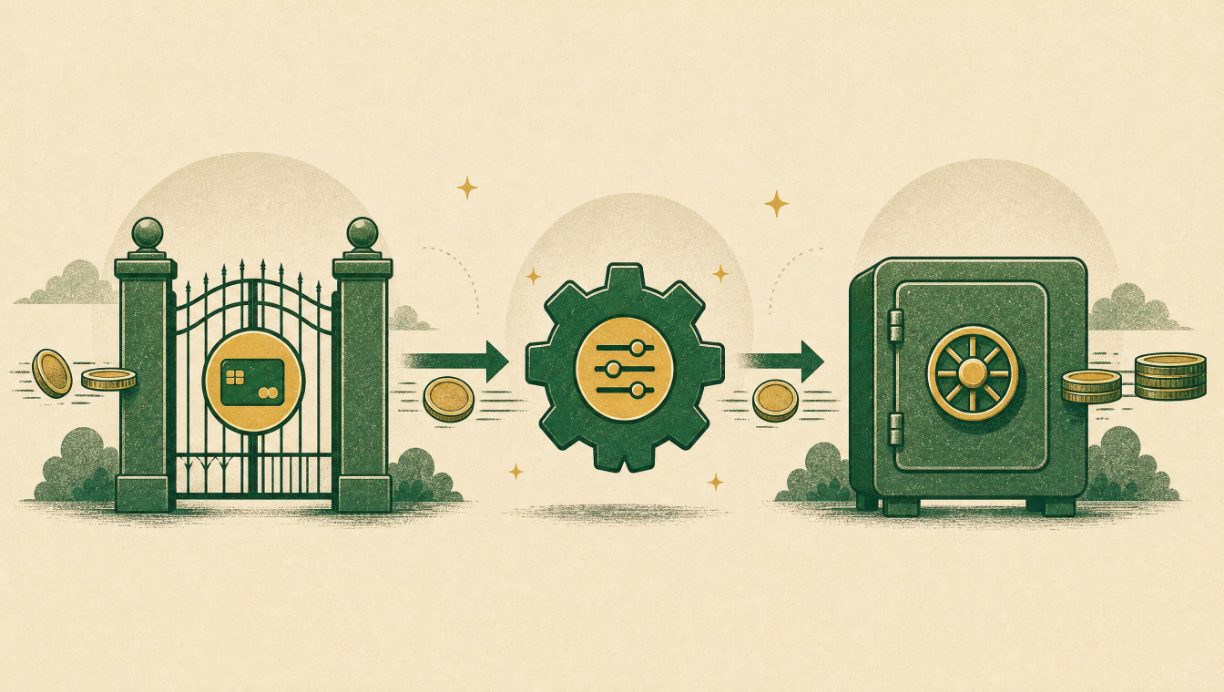
How it works: cascading & routing
A transaction, orchestrated
Why it matters
- Higher approval rates — recover soft declines by cascading to another acquirer.
- Uptime — no single point of failure; one acquirer's outage doesn't stop you.
- Lower cost — route each transaction to the cheapest viable path.
- Resilience — appetite changes at one acquirer don't take you offline.
- One integration — add or swap acquirers without re-integrating.
The high-risk multiplier
For high-risk merchants, a single acquirer can change appetite overnight. Orchestration across many acquirers is the difference between a wobble and an outage — and it’s how you scale into eight figures a month.
Who needs orchestration
Any merchant processing across multiple acquirers, geographies or currencies — and especially high-risk merchants whose approval rates and stability depend on not being captive to one bank. If you're scaling past seven figures monthly, orchestration usually pays for itself in recovered approvals alone.
How MIDs orchestrates
MIDs provides orchestration over direct relationships with 30+ acquiring banks: smart routing, cascading retries, automatic failover and a live dashboard of approval rates, costs and acquirer health — all behind one integration.
Key takeaways
- Orchestration integrates once and routes each transaction across many acquirers.
- Cascading retries turn soft declines into approvals; failover protects uptime.
- Routing to the cheapest viable path lowers blended cost per transaction.
- For high-risk merchants it’s the key to stability and scaling past eight figures.
![High-Risk Merchant Account: Complete Guide [2026]](https://mids.com/storage/media/blog/photo-img2.jpg)